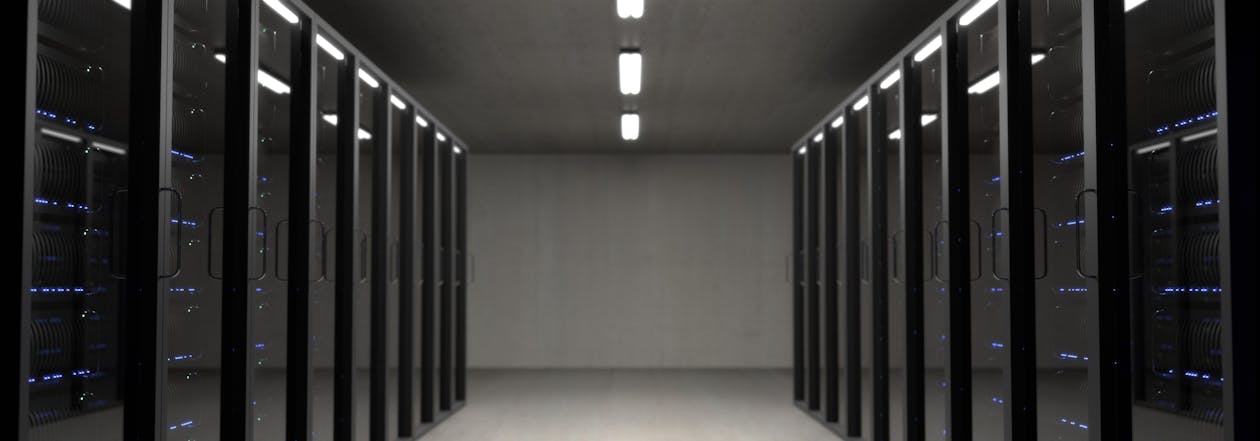
Edge Computing Revolution: Bringing Processing Power Closer to Users

Edge computing is fundamentally changing how we process and analyze data by moving computation from centralized cloud data centers to the network edge, closer to where data is generated and consumed.
Understanding Edge Computing
What is Edge Computing?
Edge computing processes data at or near the source of data generation, rather than relying on centralized cloud servers. This distributed approach reduces latency, bandwidth usage, and improves real-time responsiveness.
Edge vs Cloud vs Fog Computing
- Cloud Computing: Centralized processing in remote data centers
- Edge Computing: Processing at the network edge near data sources
- Fog Computing: Distributed processing between edge and cloud layers
Key Benefits of Edge Computing
Reduced Latency
By processing data locally, edge computing eliminates the round-trip time to distant cloud servers, enabling sub-millisecond response times critical for real-time applications.
Bandwidth Optimization
Local processing reduces the amount of data transmitted to the cloud, lowering bandwidth costs and network congestion.
Enhanced Privacy and Security
Sensitive data can be processed locally without leaving the premises, improving privacy compliance and reducing security risks.
Improved Reliability
Edge systems can continue operating even when cloud connectivity is intermittent or unavailable.
Real-World Applications
Autonomous Vehicles
Self-driving cars require instant decision-making based on sensor data. Edge computing enables real-time processing of camera feeds, lidar data, and other sensors for immediate navigation decisions.
Industrial IoT and Manufacturing
Smart factories use edge computing for predictive maintenance, quality control, and process optimization, processing machine data in real-time to prevent downtime and improve efficiency.
Healthcare and Medical Devices
Medical equipment and wearable devices use edge processing for real-time patient monitoring, emergency detection, and treatment recommendations without relying on cloud connectivity.
Smart Cities and Infrastructure
Traffic management systems, smart lighting, and environmental monitoring use edge computing to respond instantly to changing conditions and optimize city operations.
Content Delivery Networks (CDNs)
Modern CDNs use edge computing to personalize content, optimize delivery, and process user requests at the network edge for faster web experiences.
Edge Computing Technologies
Hardware Platforms
- Dedicated edge servers with GPU acceleration
- Industrial IoT gateways and controllers
- Smart cameras and sensors with built-in processing
- 5G base stations with edge computing capabilities
Software Frameworks
- Kubernetes for container orchestration at the edge
- AWS IoT Greengrass for edge device management
- Microsoft Azure IoT Edge for cloud-to-edge deployment
- OpenStack for edge cloud infrastructure
Edge AI and Machine Learning
- TensorFlow Lite for mobile and embedded devices
- NVIDIA Jetson platform for AI at the edge
- Intel OpenVINO for optimized inference
- Qualcomm AI Engine for mobile edge processing
Implementation Challenges
Resource Constraints
Edge devices typically have limited processing power, memory, and storage compared to cloud servers, requiring optimization and efficient algorithms.
Management Complexity
Deploying and managing distributed edge infrastructure across multiple locations presents operational challenges and requires specialized tools.
Security Concerns
Edge devices can be more vulnerable to physical attacks and may have limited security capabilities compared to hardened data centers.
Standardization Issues
Lack of universal standards for edge computing platforms can lead to vendor lock-in and interoperability challenges.
5G and Edge Computing Synergy
Ultra-Low Latency Applications
5G networks enable new edge computing applications requiring sub-10ms latency, such as augmented reality, remote surgery, and industrial automation.
Network Slicing
5G network slicing allows dedicated virtual networks optimized for specific edge applications with guaranteed performance characteristics.
Mobile Edge Computing (MEC)
5G base stations equipped with edge computing capabilities bring processing power directly to the cellular network infrastructure.
Future Trends and Developments
Edge-Native Applications
Applications designed specifically for edge environments will become more common, optimized for distributed processing and intermittent connectivity.
AI at the Edge
Advanced AI models will increasingly run on edge devices, enabling intelligent automation without cloud dependencies.
Serverless Edge Computing
Function-as-a-Service (FaaS) platforms at the edge will enable event-driven processing with automatic scaling and management.
Edge-to-Edge Communication
Direct communication between edge devices will enable new distributed applications and reduce dependence on centralized coordination.
Best Practices for Edge Deployment
Architecture Design
- Design for intermittent connectivity and graceful degradation
- Implement data synchronization strategies for offline operation
- Use microservices architecture for modular edge applications
- Plan for remote monitoring and management capabilities
Security Implementation
- Implement zero-trust security models for edge devices
- Use encryption for data at rest and in transit
- Regular security updates and patch management
- Physical security measures for edge hardware
Performance Optimization
- Optimize applications for resource-constrained environments
- Implement efficient data compression and caching strategies
- Use hardware acceleration when available
- Monitor and optimize for power consumption
Economic Impact and ROI
Cost Reduction
Edge computing can significantly reduce bandwidth costs, cloud processing fees, and improve operational efficiency through real-time optimization.
New Business Models
Edge computing enables new services and business models that weren’t previously feasible due to latency or connectivity constraints.
Competitive Advantages
Organizations implementing edge computing gain advantages in responsiveness, user experience, and operational efficiency.
Conclusion
Edge computing represents a fundamental shift in how we architect and deploy computing systems. By bringing processing power closer to users and data sources, organizations can create more responsive, efficient, and resilient applications.
The future of computing will be increasingly distributed, with intelligent edge devices working in concert with cloud infrastructure to deliver optimal user experiences. Organizations that understand and implement edge computing strategies today will be better positioned to take advantage of emerging technologies and market opportunities.
As 5G networks expand and IoT devices proliferate, edge computing will become essential infrastructure for digital transformation across industries. The revolution has begun, and the opportunities are limitless for those ready to embrace the edge.
Related Posts

IoT and Smart Cities: Building the Urban Future
Discover how Internet of Things technology is transforming urban infrastructure, improving city services, and creating more sustainable communities.


5G Technology: Revolutionizing Connectivity and Enabling New Possibilities
Explore how 5G networks are transforming industries with ultra-fast speeds, low latency, and massive connectivity for IoT, autonomous systems, and smart cities.
